







Freestanding Bath vs Built-in Bath: What You Need to Know Before Buying
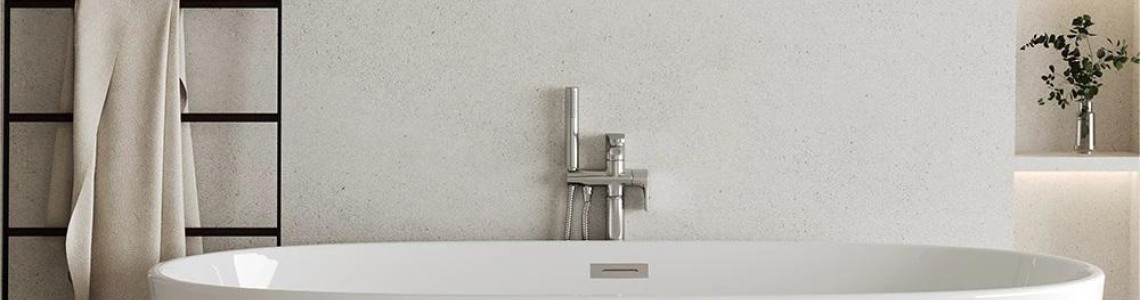
A bath sets the mood for the whole bathroom. It changes how you use the space, how it looks, and how much the renovation costs. Before you settle on a shape you love, it pays to weigh up how freestanding and built-in options behave in real Kiwi homes, from compact villa bathrooms to generous new-build ensuites.
Style matters, yet so do drainage points, waterproofing details, and the height of the bath rim. Small factors change daily comfort. A good choice feels effortless each time you soak.
What a freestanding bath brings to a bathroom
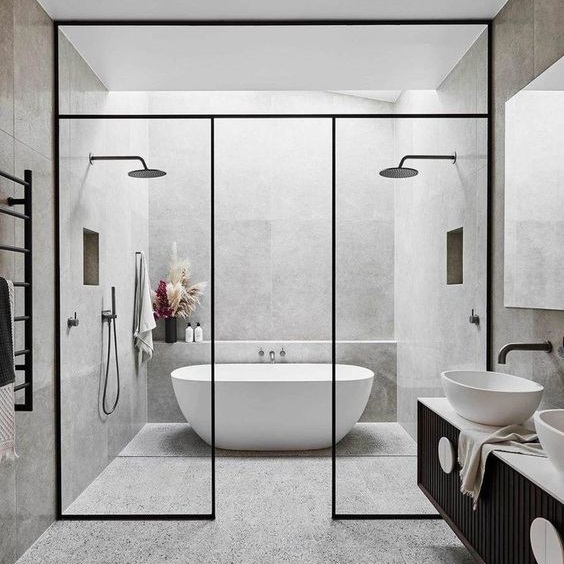
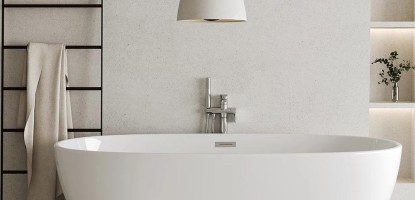
A freestanding bath reads like furniture. It sits proud of walls, so you see its shape in full, which suits minimalist spaces and heritage character alike. This makes it a visual anchor. Place it under a window, centre it in a large room, or pull it slightly away from a wall to give it breathing room.
Freedom of placement has limits. You still need floor waste access, a mixer location, and enough space to clean around the bath. The sweet spot is often 100 to 150 mm clearance on the long sides and a bit more at one end for a floor-mounted mixer or hand shower.
With air around the bath, cleaning is simple in theory. In practice, dust loves the narrow gap between tub and wall. Some homeowners place the bath tight to the wall to reduce the unseen crevice, then seal the top edge neatly. Either approach can work, just keep wipe-down access in mind.
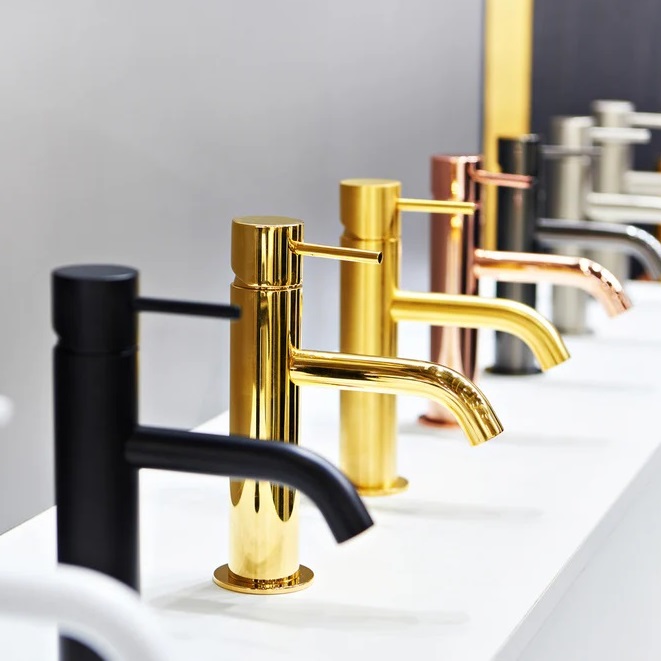
Plumbing is a design decision here. A floor-mounted bath filler looks sculptural. A wall-mounted spout simplifies floor waterproofing and leaves the floor less busy. If you are changing waste or water points, allow for more labour than a like-for-like swap.
However, there is a smart compromise: the Back-to-Wall Freestanding Bath. These models look just like a luxury freestanding tub from the front but have a flat back that sits flush against your wall. You get the 'hotel look' without the dust trap—perfect for busy Kiwi households.
Why a built-in bath still wins fans
A built-in bath tucks into an alcove or a framed hob, then gets lined and tiled or cladded. That creates a ledge for candles, shampoos, and elbows, which is handy in family bathrooms. The wall on one or two sides also makes it easy to add shelves and grab rails.
Water control is superb. If you want a shower-over-bath, a built-in layout with a straight internal wall for a fixed screen keeps splashes in check. The tiled or acrylic lining behind the shower reaches the right height and the hob edge can be made dead level.
Cleaning is predictable. There are fewer tight gaps, and the wall junction is sealed. The trade-off is that a tiled surround needs quality workmanship and the grout needs occasional care. When done well, built-ins look crisp and last for years.
Side-by-side comparison at a glance
The differences come through in dimension planning, waterproofing, and budget. The table below summarises typical points for New Zealand homes. These are indicative ranges, not quotes, and assume a licensed plumber and tiler.
Factor | Freestanding bath | Built-in bath |
Typical footprint | 1500 to 1700 mm long, 700 to 800 mm wide | Similar tub size, but total width increases with hob and wall linings |
Placement | Flexible, can float or sit near a wall | Usually fixed into an alcove or framed hob |
Waterproofing | Localised to floor around bath and mixer penetrations | Wider area, especially for shower-over-bath |
Cleaning access | Easy around exterior, tricky if tight to wall | Simple surfaces, fewer hidden gaps |
Thermal feel | Air around tub cools faster, insulation helps | Surrounded tub can hold warmth a little longer |
Plumbing look | Floor or wall spout becomes a feature | Spout and mixer on wall or hob, less conspicuous |
Shower capability | Possible but splashy without full surround | Excellent with screen and linear drain |
Install time | Often shorter if services are already placed | Framing, lining, and tiling add steps |
Cost range for tub | About $1,200 to $6,000+ | About $400 to $2,500 for tub, plus surround materials |
Labour variables | Floor mixer, waste relocation, floor waste | Framing, waterproofing, tiling, shower screen |
Room size, layout, and clearances
Older villas and bungalows often have bathrooms from 2 to 3 m wide, with mixed joist directions and timber floors. Newer townhouses and family homes usually allow a little more depth. Either way, measure the path to the room first. Stair corners and doorways can stop a 1700 mm bath from getting in.
Clearances influence day-to-day comfort more than most people expect. Aim for a minimum of 700 mm walkway in front of the bath. Leave space around the mixer for maintenance, and ensure you can reach the plug and overflow without leaning dangerously. If you plan a freestanding model close to a wall, keep at least a hand-width gap unless you will silicone the top edge to stop water running down the back.
Ergonomics and how a bath actually feels
Internal shape changes the soak. Slipper baths support the back and neck for long soaks, but reduce the flat area for kids’ bath toys. A symmetrical double-ended bath keeps the waste in the centre and gives two lounging positions. Straight-sided built-ins with a slight recline are great when you stand to shower.
Depth is a comfort multiplier. Around 420 to 460 mm internal water depth feels deep enough for adults, and the rim height needs to be manageable for children or older family members. If mobility is a concern, consider a lower rim and a nearby rail. For a shower-over-bath, a flat internal base underfoot and enough shoulder width reduce slips.
Materials, weight, and maintenance
Material choice changes weight, water temperature profile, and scratch resistance. It also affects how the bath meets surrounding finishes. Your floor structure sets an upper limit for heavy tubs, especially in older timber homes.
Here is a fast overview of common materials and what they live like day to day.
● Acrylic: Warm to touch, light weight, cost effective, easy to repair small scratches.
● Steel enamel: Tough surface with crisp lines, great heat transfer at first fill, cooler feel without warm water top-ups.
● Cast iron: Very durable and classic, heavy and usually needs floor assessment, excellent heat retention once warmed.
● Stone composite: Solid feel and premium look, mid to heavy weight, holds heat well, needs gentle cleaners.
● Solid surface: Seamless and matte, repairable for minor marks, watch for higher weight and price.
● Pressed steel with coating: Budget friendly, thinner feel than enamelled steel, good for rentals and quick refits.
Waterproofing, ventilation, and code basics
Bathrooms in New Zealand must be detailed to handle moisture. Under the Building Code clause E3 Internal Moisture, wet areas need impervious finishes and correct falls to wastes. A shower-over-bath raises the bar: wall linings near the shower need to reach the correct height and junctions need to be sealed to spec. A freestanding bath without a shower still needs wet area floor finishes near the mixer and at any penetrations.
Ventilation matters regardless of bath style. An efficient extraction fan ducted outside, not into the roof cavity, protects paint and trims. This is vital in smaller spaces or homes in cooler regions where condensation lingers.
Talk with a licensed plumber and tiler about linear drains, floor wastes, and the grade of waterproofing membrane needed. That discussion up front can save rework.
Can a freestanding bath double as a shower?
It can, and many people try, but it takes care. A circular rail with a curtain can handle splashes, yet water will still track along the floor if the fall to the waste is poor. A glass screen can be customised to wrap part of the bath, though cleaning the glass curve is a chore and movement in timber floors can stress fixings.
If a daily shower is non-negotiable, a built-in bath with a proper screen or a separate shower is usually cleaner to live with. Freestanding baths shine as soak tubs when paired with a separate shower.
Budget planning and hidden costs
The price tag on the bath is only part of the story. A freestanding setup often needs a floor-mounted mixer or an extended spout, which adds to plumbing and fixture costs. If waste or water points are not where you need them, allow for extra labour.
Built-in baths add framing, lining, waterproofing, and tiling or cladding. The pay-off is a combined bath-shower that does two jobs well, and a ledge that keeps bottles off the floor. Tiling labour in Auckland varies with tile size and layout, so a quote based on your plans is worth getting before demolition.
Whichever direction you go, allow a contingency for small surprises under old floors, and for a new floor waste if the existing one is out of position.
Water use, hot water size, and comfort
A big freestanding bath looks amazing. It may also hold 250 to 300 litres when full, which can outstrip a standard 180 litre cylinder. If your hot water is a cylinder rather than continuous gas, match bath volume to actual hot water capacity so your soak stays warm.
Insulation helps. Some acrylic and composite tubs include insulation; if not, ask your installer about adding a thermal blanket under and around the bath where it will not trap moisture. A well-positioned mixer with a decent flow rate reduces the cold edge that forms during a slow fill.
Try before you buy in Auckland or online
Photos hide a lot. Sitting in a display bath tells you more than any spec sheet can, from how the rim sits under the knees to how the backrest feels between the shoulder blades. If you can, visit a showroom and hop in, shoes off of course. Bring your measurements and a quick sketch of your room.
NZHomeware’s showroom in Avondale carries a wide range for bathrooms, kitchens, and laundries. The team on site can help you compare freestanding and built-in options, talk through mixer placements, and map clearances so installation goes smoothly. If you prefer to plan from home, the online crew on live chat can guide you through specs and availability, then follow up with answers to trickier questions.
As a manufacturer and retailer, NZHomeware focuses on solid build quality paired with fair pricing. That combination, plus responsive support from a large, professional team, has helped many Auckland homeowners shape bathrooms that match their vision from first look to final wipe down.
A practical checklist for your choice
Before you commit, run through a few key points. Write them down while you stand in the room and the decision becomes clearer.
● Room size and access paths
● Shower needs, now and in five years
● Hot water capacity vs bath volume
● Cleaning preferences and time
● Budget for labour, not just fixtures
● Plumbing points: where the waste and water currently sit
● Ventilation: fan strength and ducting to outside
● Surface finishes: tiles, acrylic liners, or composite panels
● Materials: weight limits for upper floors and timber framing
● Safety: rim height, handholds, and non-slip plans
Good planning turns a bath from a nice-to-have into the heart of a bathroom. If you would like help shortening the shortlist, bring your floor plan and questions to the Avondale showroom, or jump onto live chat and a specialist can run through options that fit your space, taste, and budget.
Leave a Comment