








How Much Does Smart Toilet Installation Cost in NZ?

How Much Does Smart Toilet Installation Cost in NZ?
Thinking about switching to a smart toilet with advanced technology can feel exciting until the quotes start rolling in. The internet promises quick installs for a couple of hundred dollars, yet real bills in New Zealand often land far higher. The gap between a basic swap and a genuine smart setup is wider than many expect, mostly due to electrical needs, compliance, and hidden repair work. The good news: with the right prep and a clean quote, you can avoid paying over the odds.
What counts as a smart toilet, and why installation costs more
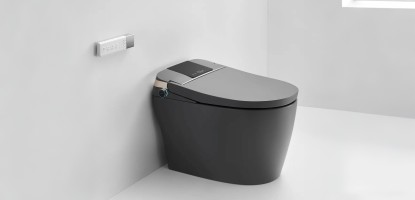
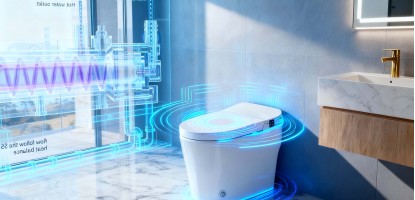
Smart toilets and bidet seats introduce electricity and electronic controls to a fixture like bidets that used to be purely mechanical. Features range from heated seats, warm-water washing, and night light options to dryers, deodorisers, automatic lids, and app control. To run safely and legally in NZ bathrooms, these devices need the right electrical protection and water backflow safeguards.
Installing smart toilets adds extra trades, extra parts, and sometimes extra building work.
● Most smart models need a nearby RCD-protected outlet - commonly a short run from the nearest circuit, in a splash-safe location.
● Water backflow prevention must meet NZ Building Code G12. Some products include certified protection; others require a separate valve and testing.
None of this is complicated for a competent registered team. It just needs to be allowed for in the price.
The real cost picture in NZ - 2025 price guide
A simple like-for-like toilet swap can still be affordable. Once you add power and compliance for a smart unit, the price moves. Here’s what Kiwi homeowners are typically seeing in 2025.
● Labour rates: $65 to $95 per hour for a registered plumber - electricians often $85 to $120 per hour
● Standard toilet swap: $300 to $600 all-in if nothing’s wrong with the waste, floor, or valves
● Smart bidet seat on existing pan: $450 to $1,100 depending on electrical and backflow needs
● Full integrated smart toilet replacement: $1,200 to $3,500 in most homes, higher for wall-hung
Why the spread? Homes vary, and so do fixtures. The biggest swing factors are electrical work, backflow components, floor or pipe repairs, and whether the old toilet is disposed of responsibly. Winter pricing and big-city demand push quotes up as well.
Typical line items and what they cost
Below is a common set of tasks and parts you may see in a quote. Prices are typical ranges in 2025, incl. GST, and can vary by region.
Item | Typical cost (incl. GST) |
Site visit and install labour - standard | $220 to $420 |
Site visit and install labour - smart | $350 to $650 |
Disposal of old toilet | $50 to $100 |
New pan collar or flange | $60 to $140 |
Minor pipe or set-out adjustments | $100 to $250 |
Shut-off/isolating valve upgrade | $45 to $120 |
Backflow prevention device or certified part | $90 to $320 |
Electrician - new RCD outlet near toilet | $180 to $400 |
Making good - minor floor or wall repairs | $120 to $300 |
Rotten subfloor remediation - basic patch | $200 to $600 |
Wall-hung frame and in-wall cistern setup | $700 to $1,800 |
Tiling or waterproofing touch-ups | $180 to $650 |
Winter pricing uplift - June to August | 10 to 20 percent |
That $150 banner ad you saw? It usually assumes perfect conditions and a plain toilet swap, without removal, without electrical, and without any fixes.
Why the bargain quote usually grows
Many homeowners start with a lowball estimate, only to have the bill climb once the plumber sees the site. Here are the recurring add-ons that make up the difference:
● Pipe adjustments - $150 and up when the set-out doesn’t line up with the new pan
● Floor repairs - $200 and up if the old pan flange has leaked and damaged the subfloor
● Smart or wall-mounted units - $200 and up because they take longer, often need power, and sometimes require framing
● Winter tax - 10 to 20 percent more from June to August as demand peaks and schedules squeeze
Real story: Sarah from Wellington thought she had a fast swap. The plumber lifted the old toilet and found rotten flooring and mismatched pipes. Her $150 quote grew to $650. None of it was in the original estimate.
Four costly traps that don’t always get mentioned
1. Surprise removal fees - $50 to $100 About 60 percent of quotes exclude disposal. If it’s unclear, ask. Otherwise you’ll pay extra to get the old toilet off-site.
2. After-hours tax - 50 to 100 percent more Weekend or emergency visits carry a premium. Plan non-urgent installs for midweek. Tuesday to Thursday is the sweet spot for most trades.
3. Hidden repair bombs - $100 to $500 Older homes often hide cracked pipes, leaky collars, or soft subfloors. If a contractor won’t inspect or at least review photos before quoting, take that as a red flag.
4. Fake warranties Some budget installers skip meaningful leak protection or offer verbal promises only. Ask for warranty terms in writing and check what’s covered.
How to keep costs down without cutting corners
A smart approach can trim hundreds without risking leaks or compliance trouble.
● DIY what is safe
○ Remove the old toilet yourself and bag the parts - saves $80 to $120
○ Buy standard consumables in advance - wax ring or pan collar, bolts, shut-off valve - saves $30 to $60
● Avoid peak season
○ Book in spring or early autumn where possible
○ If winter is unavoidable, lock pricing early and confirm availability
● Pick the right product for NZ
○ Choose models with New Zealand-compatible set-outs and certified backflow protection
○ Steer clear of imports that need special adapters or don’t have WaterMark or equivalent certification recognised here
● Get three or more quotes and compare line by line
○ Check inclusions: removal, disposal, pipe adjustments, backflow, electrics, and warranty
○ Ask for a fixed or capped price after a site visit
Smart toilet specifics that affect price
Smart units bring extra technical requirements. Make sure your quote covers these clearly.
● Power supply and protection A dedicated RCD-protected outlet near the toilet is often necessary. Electricians will position the outlet outside splash zones, use the correct IP-rated fittings, and provide a Certificate of Compliance.
● Backflow prevention Personal hygiene devices must prevent contamination of your drinking water. Some smart toilets incorporate certified backflow devices. If not, your plumber may need to install a compliant valve. Ask for proof of certification to NZ standards.
● Water pressure and isolation
Many smart models, like smart toilets, have minimum pressure requirements and benefit from a new isolating valve to service the technology cleanly later on.
● Wall-hung frames and bracing If you’re going with a wall-mounted smart toilet, you’ll need a steel frame fixed to studs, correct bracing, and careful finishing. That’s why costs jump.
● Space and access Tight bathrooms can add labour time. If cabinetry or a vanity obstructs access, moving it a few centimetres can save an hour of fiddly work.
What a good NZ quote should include
A well-written quote protects both sides. Ask for details like these:
● Labour rate per hour - $65 to $95 for plumbing, electrician rate also listed
● Scope - exactly what will be done, and what will not
● Materials and parts - valves, collars, backflow devices, frame kits if relevant
● Electrical work - outlet type, RCD protection, location, and compliance documentation
● Disposal - who removes the old toilet, and where it goes
● Making good - patching, silicone, minor tidy-up
● Warranty - timeframes for workmanship and parts, and the process for claims
● Company details - registration numbers, public liability insurance
● Potential extras - a short list with price ranges so surprises are limited
If a quote is vague, ask for a revision before you book.
Regional price snapshots for 2025
● Auckland and Queenstown Expect to pay at the top end due to demand and travel times. Smart installs often range from $1,400 to $3,800 depending on electrical and framing.
● Wellington Similar labour to Auckland but often faster scheduling outside winter. Smart installs commonly sit between $1,200 and $3,200.
● Christchurch and Dunedin Competitive pricing and good availability most of the year. Smart installs often land between $1,100 and $2,900.
● Regional centres Travel can be the swing factor. Bundling multiple jobs in one visit can keep it tidy.
These are typical working ranges, not caps. Wall-hung units or high-spec imported models can still sit above these numbers.
Sample budgets you can reality-check against
● Retrofit a smart bidet seat on an existing floor-mounted pan, as bidets provide enhanced hygiene and comfort
○ Plumber install: $200 to $350
○ Electrician RCD outlet: $180 to $350
○ Backflow device if required: $90 to $200
○ Disposal and sundries: $50 to $120 Total: $520 to $1,020
● Replace a standard toilet with a fully integrated smart model
○ Plumber: $300 to $600
○ Electrician: $180 to $400
○ Backflow: included in many models, else $120 to $320
○ Pipe or flange tweaks: $100 to $250
○ Disposal: $50 to $100 Total: $750 to $1,670, with premium products and tricky access pushing higher
● Install a wall-hung smart toilet with in-wall frame
○ Frame install and plumbing: $700 to $1,800
○ Electrician: $200 to $400
○ Tiling or wall repair: $250 to $650
○ Disposal and sundries: $60 to $140 Total: $1,210 to $2,990, with design finishes and premium frames raising the ceiling
Why quotes vary by $200 or more for the same job
● Warranty length and scope - 1 year vs 3 years, and what’s actually included
● The person doing the work - registered vs unregistered, and whether a trainee is supervised
● Inclusions and exclusions - disposal, backflow, electrical, making good
● Scheduling - off-peak vs weekend or urgent work
If two quotes look similar in price, the one with better warranty and tight scope control is usually the safer pick.
Who pays if there’s a leak after installation
● Plumber error - their workmanship warranty should cover it
● Faulty toilet or parts - speak to the supplier for a product warranty claim
● Grey areas - photos and written notes in the quote help sort responsibility quickly
Keep the paperwork. It shortens the path to a fix.
The cheapest ways to dispose of an old toilet
● DIY drop-off at a transfer station or recycling centre - $10 to $20 in many areas
● Council bulky-waste collection where available - sometimes free, check your council site
● Ask the plumber to take it - $50 to $80 and the most convenient option
Confirm disposal in the quote so the pan doesn’t sit on your lawn for a week.
When you should definitely hire a pro
Some situations call for a registered plumber and often an electrician.
● Homes built before 1980 Possible asbestos in vinyl flooring or old pipe insulation. Don’t cut or sand unknown materials.
● Relocating a toilet Even 10 centimetres can mean rerouting waste pipes, re-waterproofing, and floor work.
● Apartments and townhouses Body corporate rules, shared stacks, and acoustic standards can add steps.
DIY can be fine for removing the old pan or picking up standard parts. Cutting into floors, opening walls, or touching electrics is a different story. One mistake can mean:
● $2,000 or more in water damage repairs
● Hidden leaks leading to structural rot
● Problems with insurance if the work isn’t certified
Checklist for comparing quotes
● Three or more quotes that follow a site visit or photo review
● Labour rates listed and capped or fixed-price options for standard tasks
● Clear inclusions: removal, disposal, pipe work, backflow, electrical
● Backflow compliance called out for smart units
● Warranty in writing with timeframes and process
● Evidence of registration and insurance
● Seasonal timing - ask about midweek, off-peak slots
● Payment terms - deposit, progress, and final sign-off
Print this and keep it beside your inbox. It’s amazing how fast the weak quotes drop away.
Red flags and smarter moves
● No inspection, yet a rock-bottom fixed price Ask for a quick on-site check or a video call with photos before accepting any firm number.
● Vague warranty promises Get it in writing. Ask what happens if a slow leak appears.
● Unclear on compliance For plumbing, check the Plumbers, Gasfitters and Drainlayers Board public register. Many reputable firms also appear on Plumbing NZ’s member listings. For electrical, expect a Certificate of Compliance for new outlets.
● Imported devices without certification Look for acceptable certification recognised in NZ. Avoid models that need special adapters or don’t support local voltages and set-outs.
● Weekend bookings for non-urgent work Move to Tuesday to Thursday and ask if that improves price.
A short script you can use to get cleaner quotes
Send this with your enquiry and you’ll get sharper, more honest pricing.
● I’m installing [brand and model], here are photos of the existing toilet from three angles
● I want a smart bidet seat/smart integrated unit - confirm backflow compliance and suitable installation for bidets in your quote
● Do you include removal and disposal of the old toilet
● Do you handle the electrical outlet and RCD, or shall I book my electrician
● Please list hourly rates, parts, and potential extras, and send your registration details
● Can you hold the price for 30 days if I book a Tuesday to Thursday slot
This one email raises the quality of the responses you’ll receive.
Why some installers are cheaper and how to compare them fairly
Lower quotes can be fine if they include the same scope, carry written warranties, and come from registered trades. The problems start when savings come from skipping disposal, ignoring backflow, or leaving the electrical to someone unqualified. A $100 saving today can turn into a claim that goes nowhere later.
Look beyond the total. Focus on:
● Scope clarity
● Compliance, including backflow and electrical certification
● Warranty strength
● Proof of registration
● Reputation and reviews from local customers
The mini calendar trick to avoid the winter tax
Set a reminder in late April to book your install for May or September. You’ll often miss the peak rush that hits in June to August. If you must book in winter, confirm price validity in writing and ask whether midweek timing helps. Many firms will say yes if you’re flexible.
Putting it all together
Smart toilets feel like a luxury, and they are, but leveraging modern technology to install a smart toilet in a Kiwi home doesn’t have to blow the budget. The secret is transparency. Ask for a site check, demand written inclusions, and prioritise compliant products that suit our standards and set-outs. Remove what you safely can, buy a few standard parts in advance, and stack the work midweek outside the winter surge if timing allows.
Then do the boring but vital checks: verify registration on the PGDB public register and look for solid, written warranties. With those sorted, you’ll enjoy heated seats and warm-water washing without a cold shock when the invoice arrives.
At NZHomeware, we take pride in offering premium-quality smart toilets and bidet seats that meet New Zealand standards, along with honest advice on installation and compliance.
Visit our Avondale showroom to explore models in person, or chat with our online team for expert help choosing the right product for your home.
Whether you’re planning a simple swap or a full bathroom upgrade, NZHomeware is here to make it easy, affordable, and built to last.
Leave a Comment